How AI Is Changing the Way We Learn
How AI Transforms Learning: Hidden Risks, Smart Uses, and the Human Edge.
AI is rapidly transforming every corner of education. Students no longer need to flip through heavy textbooks or wait for a teacher’s reply. Now, they can open an app, type a question, and get what looks like a complete answer within seconds.
For many, this feels like the future of learning — faster, easier, more efficient. But when speed becomes the main goal, true understanding can quietly disappear.
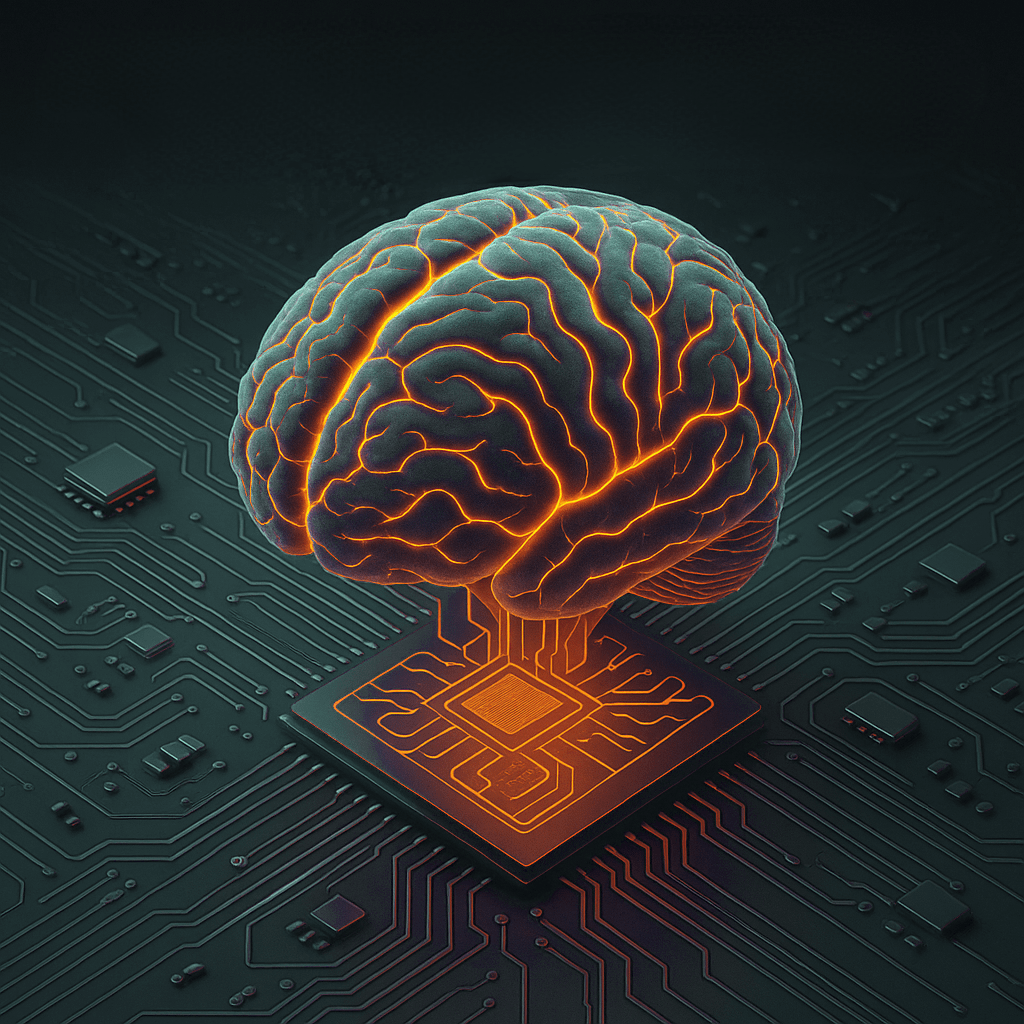
The Convenience of AI
There’s no denying how helpful AI can be. It explains math formulas, summarizes historical events, and even shows step-by-step problem-solving methods. It can mimic any tone and patiently answer endless questions, both academic and personal (though it’s best not to get too distracted chatting with it!).
It sounds like a dream come true. You don’t need to reason through tough steps or connect historical dots. All you have to do is to just type a few words, and the answer appears. But learning isn’t just about knowing; it’s about thinking. AI’s responses are built from probability and pattern recognition, not human reasoning. It can generate a correct-looking proof or essay, yet that’s still input — not output. Without genuine thinking, our mental “muscles” weaken, just like physical ones do when unused.
The Illusion of Perfect Work
More students now rely on AI to write essays or complete homework. On the surface, everything looks perfect with clean sentences, clear structure, instant results. But what hides beneath that polished surface is often shallow understanding.
AI can stitch together words and facts at lightning speed, but it doesn’t truly know what’s true. It simply generates what’s statistically most likely to sound correct. The problem is that students may lack the tools to verify those answers. They might copy AI’s reasoning without realizing it’s wrong, turning learning into a kind of “parroting.” When homework, reports, and even thought processes are outsourced, education becomes imitation rather than discovery.
Why the Process Matters
The real value of learning isn’t only in what answer you get but how you find it, except maybe during exams (and you can’t use AI there anyway). If students stop practicing reasoning, they lose the ability to judge what’s right or wrong. And when AI makes a mistake, how would they even notice?
The Problem of False Authority
AI sounds confident, and it’s usually too confident. It never hesitates, and that tone of certainty makes students trust it easily. Yet AI’s information sources aren’t always reliable or transparent. Without background knowledge, it’s hard to catch errors.
I once asked an AI tool a few technical questions and got impressive-sounding answers. But when I checked the terms online, I found that some didn’t even exist. The AI later admitted it had made them up, which is a clear and dangerous reminder that confidence doesn’t always equal accuracy. Over time, reliance grows, and AI quietly shifts from being a tool to being the thinker. Students end up acting as its agents, carrying out tasks while the true reasoning happens elsewhere.
The Missing Human Connection
Another hidden cost is the loneliness of learning with AI. Sure, it can answer anytime (unless the server crashes), but it can’t sense frustration, motivation, or confusion. Real learning happens through interaction when teachers adjust explanations, when students ask follow-up questions, and when they struggle and then succeed. That dynamic feedback loop — the mix of correction, encouragement, and dialogue — is something only humans can offer.
A great teacher is not just a problem-solver but also a strategist and observer. They can sense when a student’s mistake comes from confusion or anxiety. They know when to encourage, when to stay silent, and when to push a little harder. Those subtle, emotional exchanges are what drive real understanding.
Algorithms can’t replicate that.
The Role AI Should Play
AI absolutely has a place in education. It can speed up research, generate practice questions, and even help teachers plan lessons. But it should never replace the human role. Just as Google replaced libraries for information gathering but not teachers for interpretation, AI should serve as a high-speed assistant, but not the main thinker.
Its answers can be useful, but also questionable. If students forget to question, stop reasoning, or lose curiosity, then even the most advanced AI becomes nothing more than a beautiful illusion.
The True Purpose of Learning
The goal of education has never been simply to get information. It’s to learn how to think, to question, and to reason. AI has made knowledge more accessible than ever (along with a flood of misinformation), but true understanding still grows from human conversation, reflection, and critical thought.
AI is here to stay, and it will keep evolving. Yet what truly helps students grow will always be that real human teacher. The one who takes time, asks challenging questions, and doesn’t hand out answers too easily.
Final Thought
Use AI as a tool, not a teacher. Let it help you practice, explore, and expand your learning. But remember: understanding comes from thinking for yourself.
See also:
How Gen AI Could Transform Learning and Development
Artificial Intelligence and the Future of Teaching and Learning
More articles:
AP Calculus Unit 1 — Understanding Limits and Continuity | Video